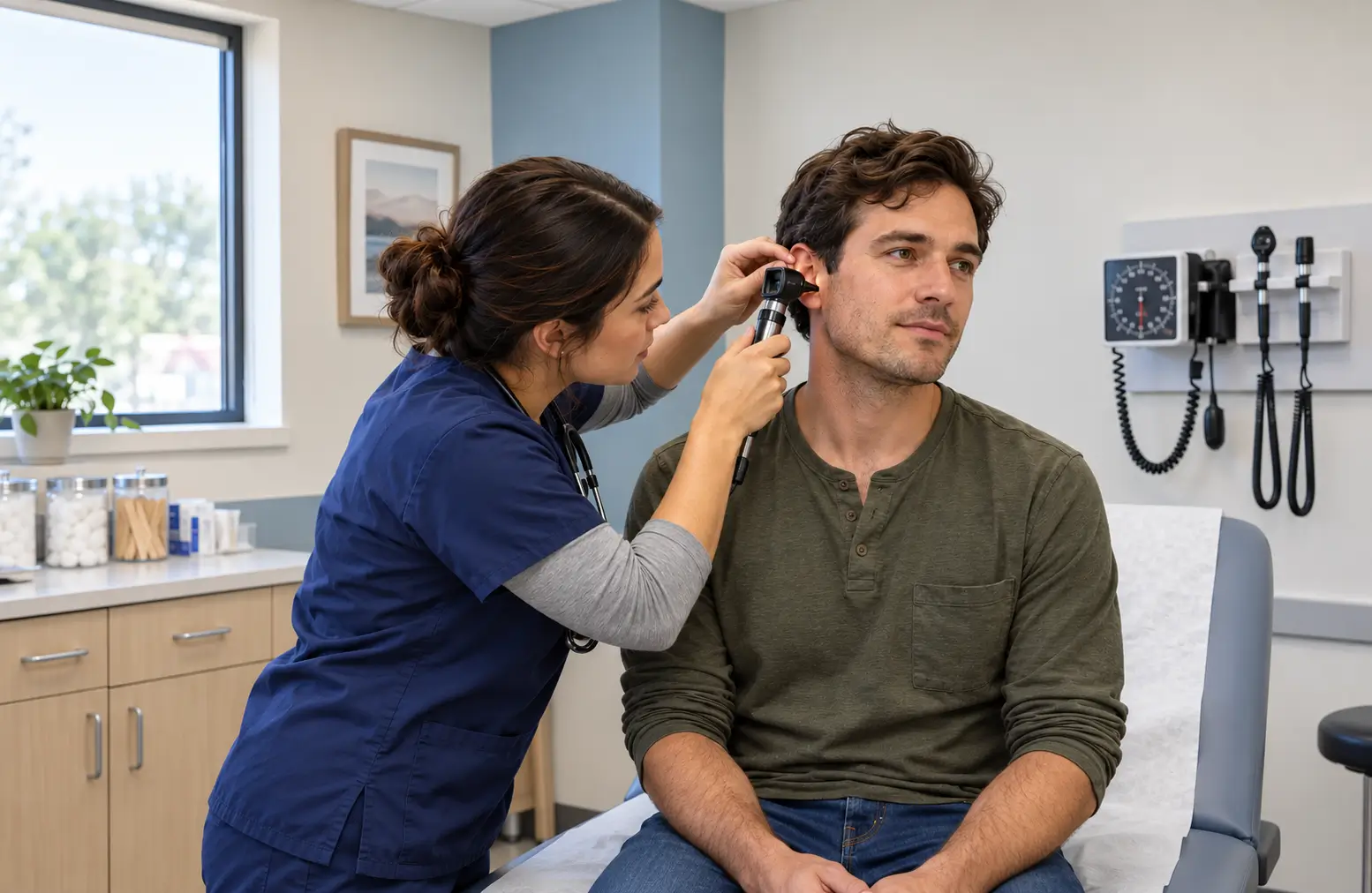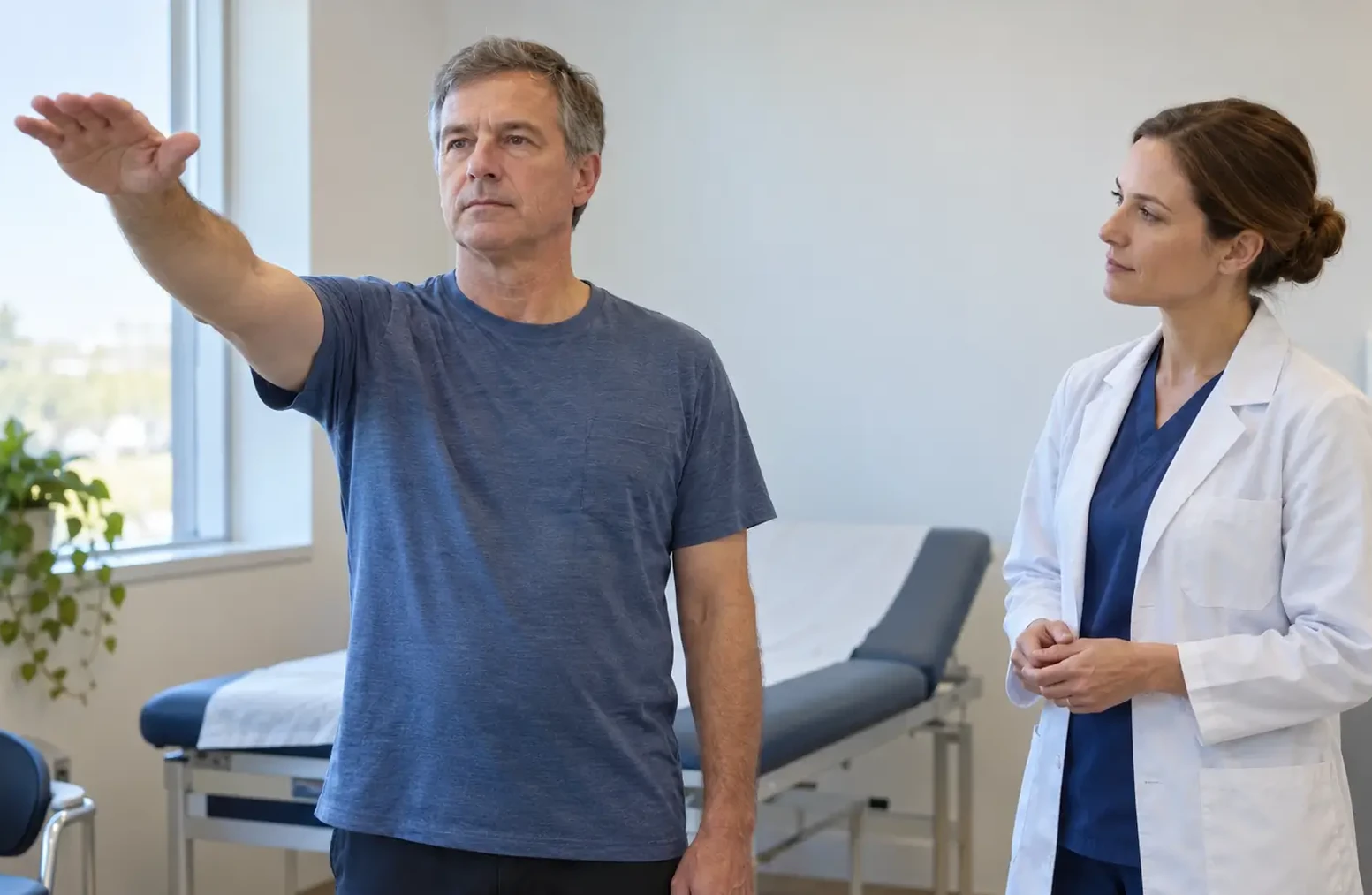
Orthopedics is the medical specialty focused on diagnosing, treating, preventing, and rehabilitating conditions of the musculoskeletal system. This includes your bones, joints, muscles, tendons, ligaments, and related nerves. Orthopedic care can involve nonsurgical treatment, surgery, or a combination of approaches.
You might see an orthopedic doctor for a broken bone, persistent joint pain, a sports injury, or difficulty moving comfortably. The goal is to understand the problem and identify treatment that fits your condition and daily needs.
An appointment with an orthopedic surgeon does not automatically mean you need surgery. Many patients receive care through rehabilitation, medication, bracing, or other nonsurgical options.
What Does Orthopedic Mean?
“Orthopedic” describes something related to the musculoskeletal system and its care. An orthopedic condition affects structures that support your body and allow movement.
These structures work together, but they have different roles.
| Structure | What it does |
| Bones | Support the body and protect organs |
| Joints | Allow movement where bones meet |
| Muscles | Produce movement and support posture |
| Tendons | Connect muscles to bones |
| Ligaments | Connect bones and help stabilize joints |
| Cartilage | Supports smooth movement at joint surfaces |
| Nerves | Carry signals involved in movement and sensation |
Damage or disease affecting one structure can influence how others function. For example, a painful knee may change the way you walk.
What Is Orthopaedics vs Orthopedics?
Orthopaedics and orthopedics refer to the same specialty. They are different spellings, not different treatments.
“Orthopedics” is common in American English. Many professional organizations retain “orthopaedics” in their names.
The spelling does not indicate a clinician’s qualifications or the quality of care.
What Does an Orthopedic Doctor Do?
An orthopedic doctor assesses musculoskeletal symptoms, identifies possible causes, and recommends appropriate treatment. Care may also include rehabilitation, follow-up, and injury prevention.
When people ask, “What do orthopedics do?” they are usually asking what orthopedic doctors can help with.
Their work can include:
- Assessing pain, swelling, stiffness, or weakness.
- Examining movement, strength, and joint stability.
- Diagnosing injuries and musculoskeletal conditions.
- Selecting appropriate tests.
- Explaining surgical and nonsurgical options.
- Coordinating rehabilitation and follow-up.
Treatment decisions depend on more than an imaging result. Your symptoms, examination, health history, and goals all matter.
What Does an Orthopedic Surgeon Do?
An orthopedic surgeon has specialist training in musculoskeletal diagnosis and treatment, including operations when appropriate.
Surgeons also provide nonsurgical care. Their role includes explaining whether an operation offers a reasonable benefit compared with alternatives.
Not every clinician working in an orthopedic service is a surgeon. A care team may include other physicians, advanced practice clinicians, nurses, and therapists.
What Do Orthopedists Treat?
Orthopedists treat injuries and conditions affecting movement, stability, strength, and musculoskeletal function. Their patients can include children, working adults, athletes, and older people.
Some problems begin suddenly after an injury. Others develop gradually or are present from birth.
The body areas commonly assessed include:
- Shoulder and elbow.
- Hand and wrist.
- Hip and knee.
- Foot and ankle.
- Neck and spine.
Individual clinicians have different areas of expertise. Confirm that a service treats your condition and age group before booking.
Common Conditions Treated
Orthopedic services assess a wide range of conditions. Some require general orthopedic care, while others need a subspecialist.
| Condition | What it involves |
| Fracture | A broken bone |
| Osteoarthritis | Changes affecting a joint, including its cartilage |
| Sprain | Injury to a ligament |
| Strain | Injury involving a muscle or tendon |
| Tendinopathy | A tendon-related condition causing pain or reduced function |
| Ligament or tendon tear | Partial or complete damage to supporting soft tissue |
| Meniscus injury | Damage to cartilage within the knee |
| Rotator cuff injury | A shoulder tendon-related injury |
| Carpal tunnel syndrome | Compression of a nerve at the wrist |
| Osteoporosis | Reduced bone strength and increased fracture risk |
| Developmental conditions | Conditions such as clubfoot or hip dysplasia |
| Musculoskeletal tumors or infections | Conditions requiring specialist assessment |
This list describes the specialty’s scope. It does not mean every orthopedic clinic offers every treatment.
Common Orthopedic Problems
Patients often seek care because of a symptom rather than a known diagnosis.
Common concerns include:
- Joint pain that affects walking, lifting, or sleep.
- Stiffness or reduced range of motion.
- Repeated swelling.
- A joint that feels unstable or gives way.
- Difficulty recovering after an injury.
- Numbness, tingling, or weakness.
- Problems returning to work or sport.
These symptoms can have several causes. An assessment helps determine whether the problem is orthopedic or requires another type of care.
Can Orthopedics Diagnose Arthritis?
Yes. Orthopedic doctors can assess and diagnose arthritis, particularly joint problems such as osteoarthritis.
Diagnosis may involve your symptom history, physical examination, and selected imaging or other tests.
Some inflammatory or autoimmune conditions require rheumatology expertise. Orthopedic and rheumatology teams may contribute to different parts of the same patient’s care.
Can Orthopedics Diagnose Nerve Damage?
Orthopedic doctors can assess some nerve injuries and compression problems, but not every nerve condition belongs within orthopedics.
The examination may assess sensation, muscle strength, movement, and related injuries. Selected cases require imaging or electrodiagnostic testing.
Electromyography, or EMG, and nerve conduction studies can help investigate certain nerve problems. These tests are commonly performed by neurologists or physical medicine and rehabilitation specialists.
Orthopedic Specialties
Orthopedic specialties focus on particular body areas, age groups, or types of conditions.
| Specialty | Main focus |
| Sports medicine | Activity-related injuries and return to sport |
| Joint reconstruction | Advanced joint problems and replacement evaluation |
| Hand and wrist | Conditions affecting hand and wrist function |
| Shoulder and elbow | Upper-limb injuries and joint conditions |
| Foot and ankle | Musculoskeletal conditions of the foot and ankle |
| Spine | Selected conditions affecting the back and neck |
| Pediatric orthopedics | Musculoskeletal conditions in children |
| Orthopedic trauma | Injury-related bone and joint problems |
| Musculoskeletal oncology | Tumors involving bones and related tissues |
Some surgeons work across several areas. Others have a narrower practice.
What Is Pediatric Orthopedics?
Pediatric orthopedics focuses on musculoskeletal conditions in children and adolescents. Assessment considers growth and development alongside the injury or condition.
Examples include fractures, limb alignment concerns, clubfoot, hip dysplasia, and selected spinal conditions.
Children are not simply smaller adults. Growth can influence diagnosis, treatment, and follow-up.
What Is Orthopedic Trauma?
Orthopedic trauma concerns injuries to bones, joints, and associated tissues following an accident or other force.
Examples include fractures and dislocations after a fall, collision, or significant impact.
Some injuries can be managed without surgery. Others require urgent stabilization or an operation.
For exposed bone, heavy bleeding, or a cold or pale injured limb, seek emergency help rather than waiting for a routine appointment.
When Should You See an Orthopedic Specialist?
Consider an orthopedic assessment when pain, injury, or reduced function persists, recurs, or interferes with daily activities.
Reasons to seek care include:
- Difficulty walking, using stairs, or bearing weight.
- Pain affecting work, sleep, or usual activities.
- Repeated swelling or instability.
- Reduced movement after an injury.
- Symptoms that are not improving with an appropriate initial care plan.
- A recommendation for specialist assessment.
You do not need to know the diagnosis before contacting a healthcare professional.
If you are unsure where to begin, RMCHCS family medicine services can provide an initial assessment and guidance about referrals.
Do You Need a Referral?
Referral requirements depend on the clinic and your insurance plan.
Before booking, ask whether you need a referral, authorization, or previous records. Confirm that the provider participates in your plan.
Do not delay emergency treatment while arranging routine referral paperwork.
What Causes Orthopedic and Traumatology Diseases?
Musculoskeletal problems can result from injury, repetitive loading, age-related changes, developmental differences, or other diseases. There is no single cause.
“Traumatology” refers to the assessment and treatment of injuries. Orthopedics has a wider scope that also includes non-injury conditions.
Possible contributing factors include:
- Falls, collisions, or other injuries.
- Repeated movements or physical demands.
- Previous injuries.
- Joint degeneration.
- Growth and developmental conditions.
- Reduced bone strength.
- Inflammatory disease.
- Infection or tumors.
An assessment should identify the likely cause rather than assuming every painful joint has the same problem.
What Are the Diagnostic Methods Used in Orthopedics and Traumatology?
Diagnosis starts with your history and a physical examination. Tests are selected when they can answer a relevant clinical question.
Your clinician may ask:
- Where is the pain?
- When did it begin?
- Was there an injury?
- What makes symptoms better or worse?
- Which activities have become difficult?
- What treatment have you already tried?
The examination may assess tenderness, swelling, movement, strength, stability, sensation, or walking pattern.
A Practical Way to Describe Your Symptoms
Before the appointment, write down the following details.
| Detail | Example of useful information |
| Location | “The discomfort is mainly at the front of my knee.” |
| Onset | “It began after a fall” or “It developed gradually.” |
| Pattern | “It hurts during stairs and settles when I rest.” |
| Functional effect | “I cannot comfortably lift shopping bags.” |
| Associated symptoms | Swelling, locking, weakness, numbness, or instability |
| Previous care | Treatments tried and whether they helped |
| Personal goal | “I want to walk to work comfortably again.” |
This is an appointment preparation tool, not a diagnostic test. It helps turn a general complaint into information the clinician can assess.
What Tests Are Conducted in Orthopedics and Traumatology?
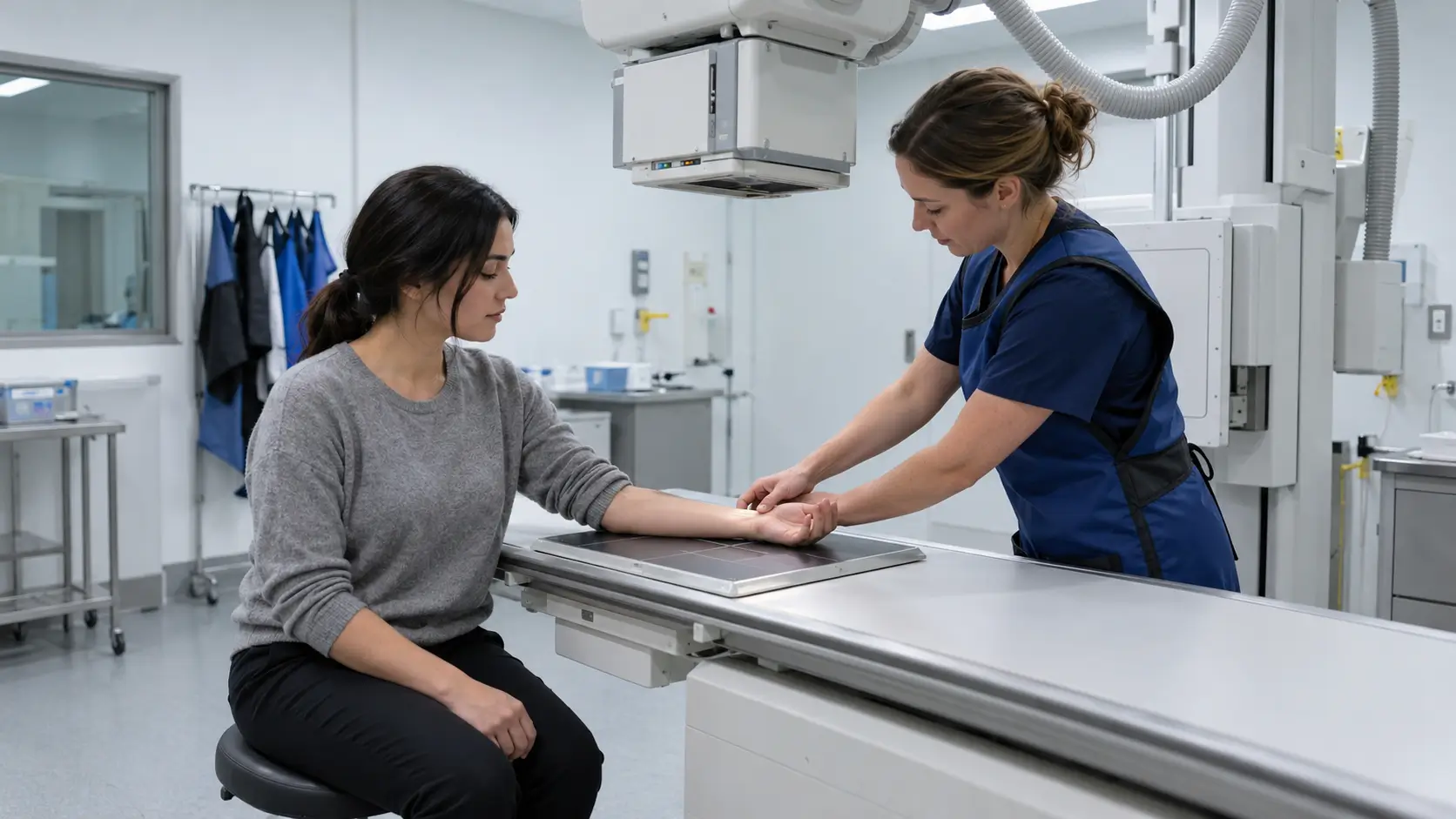
Not every patient needs imaging, and not every visit requires an MRI. The appropriate test depends on symptoms, examination findings, and the suspected condition.
| Test | What it may help assess |
| X-ray | Fractures, alignment, and selected joint changes |
| MRI | Selected soft-tissue, bone, or spinal concerns |
| CT scan | Detailed assessment of selected bone or injury problems |
| Ultrasound | Selected tendons, soft tissues, or nerves |
| Blood tests | Possible inflammation, infection, or related medical concerns |
| Joint fluid analysis | Selected causes of swelling or inflammation |
| EMG and nerve conduction studies | Certain nerve and muscle-related problems |
| Bone density testing | Bone strength and osteoporosis assessment |
A test result is interpreted alongside the clinical assessment. An imaging finding does not automatically explain every symptom.
You can learn about available RMCHCS imaging services and follow your provider’s instructions about scheduling and preparation.
Types of Orthopedic Treatments
Orthopedic treatment can be nonsurgical, surgical, or a combination of both. The plan should match the diagnosis and the patient’s needs.
| Treatment category | Examples |
| Nonsurgical care | Activity modification, medication, selected injections, braces, splints, or casts |
| Rehabilitation | Physical therapy, occupational therapy, and therapeutic exercise |
| Surgery | Fracture fixation, arthroscopy, joint replacement, or tissue repair |
| Follow-up and prevention | Monitoring recovery, adjusting treatment, and reducing reinjury risk |
Not every option is suitable for every condition.
What Treatment Methods Are Applied in Orthopedics and Traumatology?
Treatment decisions consider the problem, its severity, your overall health, and what you need to do in daily life.
Nonsurgical Treatment
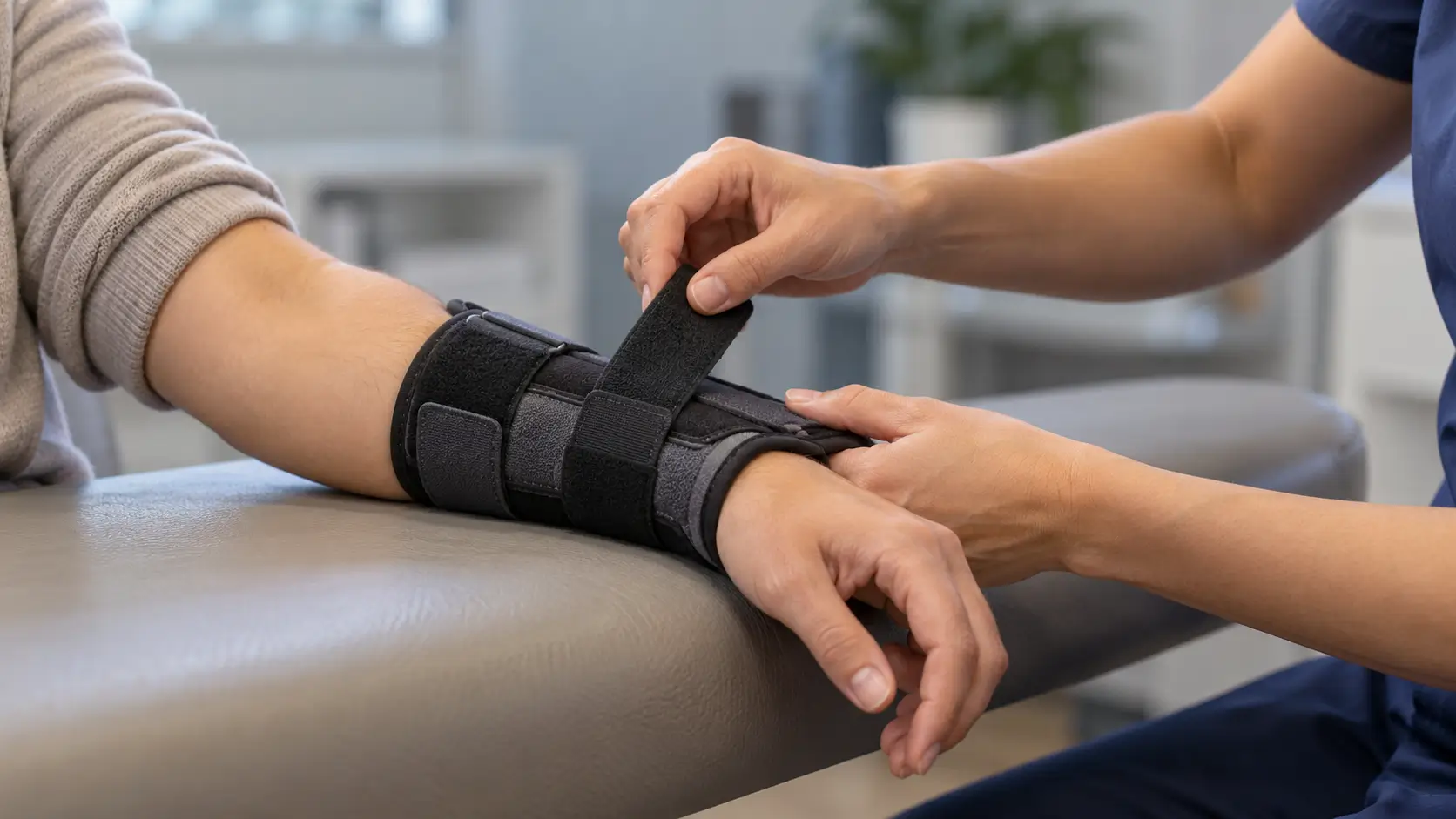
Depending on the condition, treatment may involve changing aggravating activities, using support devices, or taking appropriate medication.
Selected injections may be considered after discussing their purpose, potential benefits, and risks.
A brace, splint, or cast may protect an injured area. These devices have different roles and should be used according to clinical instructions.
Rehabilitation
Rehabilitation aims to improve movement, strength, and function. It can form part of care after an injury, before surgery, or during recovery.
Exercises and activity progression should suit the diagnosis and stage of healing.
Surgical Treatment
Surgery may be recommended when it offers an appropriate benefit or when an injury requires repair or stabilization.
Some conditions need prompt surgery. Others allow time to consider alternatives and seek another opinion.
Nonsurgical care should not be described as a mandatory first step for every injury. The right sequence depends on the clinical situation.
Is Orthopedics Physical Therapy?
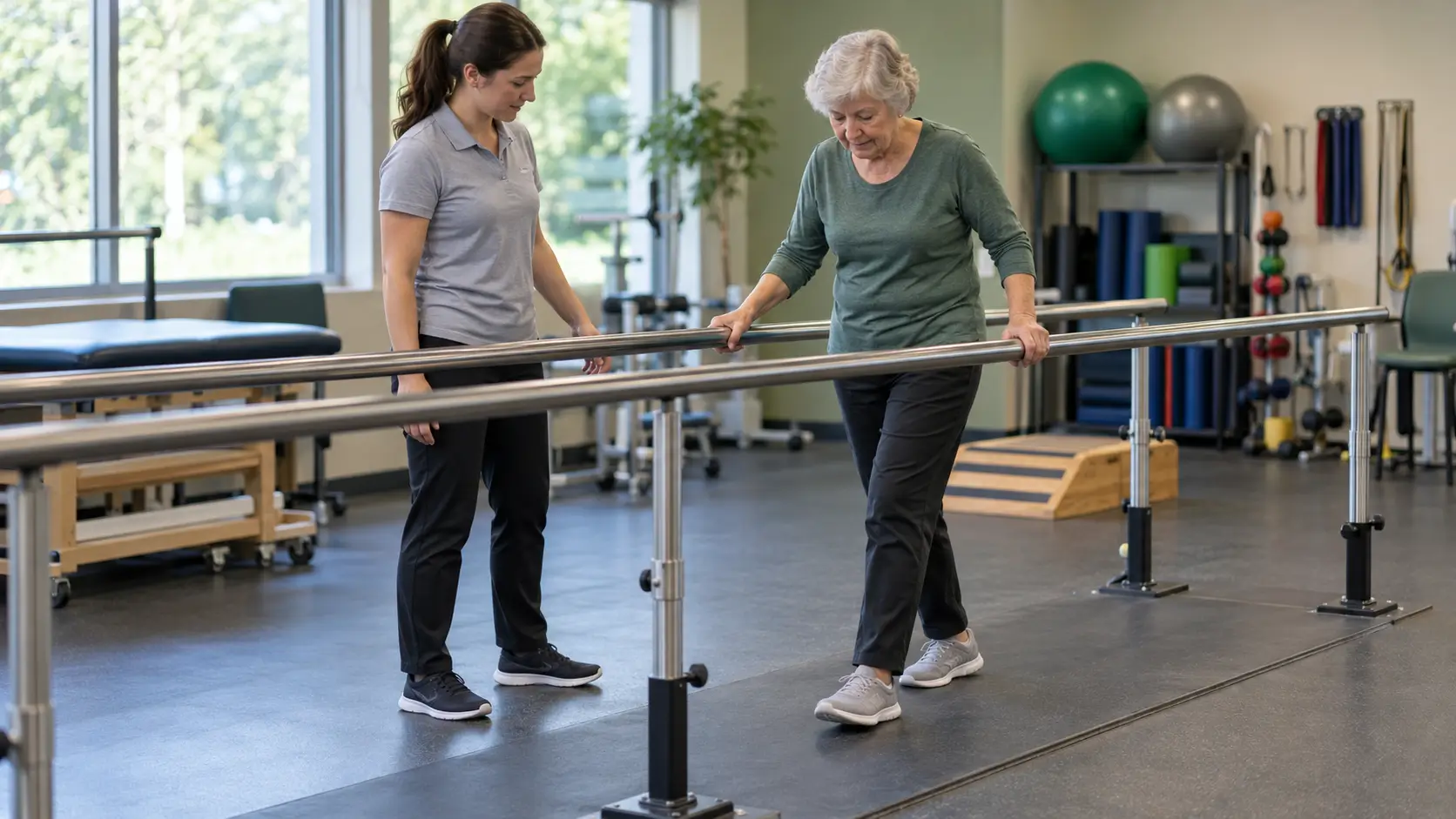
No. Orthopedics is a medical specialty, while physical therapy is a healthcare profession focused on movement and function. They often work together.
An orthopedic clinician may diagnose an injury and recommend therapy. A physical therapist evaluates movement and develops a rehabilitation plan within their scope of practice.
| Orthopedic care | Physical therapy |
| Assesses musculoskeletal conditions | Assesses movement and functional limitations |
| May order investigations | Uses functional assessment to guide rehabilitation |
| Provides medical and surgical treatment where appropriate | Provides therapeutic exercise and other appropriate interventions |
| Coordinates care and referrals | Monitors rehabilitation progress |
A referral to physical therapy does not mean your concern has been dismissed. It may be an important part of treatment.
What Is Orthopedic Surgery?
Orthopedic surgery involves operations on bones, joints, and related musculoskeletal tissues. “Orthopedic surgery” is an alternative spelling.
The term can also refer to the wider medical specialty, whose clinicians provide both surgical and nonsurgical care.
An operation may aim to stabilize an injury, repair tissue, replace a damaged joint, or relieve a specific structural problem.
Which Operations Can Orthopedic Surgeons Perform?
Operations depend on the surgeon’s training, specialty, facility, and the patient’s condition.
| General purpose | General purpose |
| Fracture fixation | Stabilizes selected broken bones |
| Joint replacement | Replaces damaged joint surfaces |
| Arthroscopy | Uses small instruments and a camera for selected joint procedures |
| Tendon or ligament repair | Repairs selected soft-tissue injuries |
| Nerve decompression | Relieves pressure in suitable nerve compression conditions |
| Osteotomy | Changes bone alignment in selected cases |
| Spinal surgery | Treats selected spinal conditions |
| Bone grafting | Supports selected bone repair or reconstruction needs |
This table describes the specialty broadly. It does not establish that every operation is available through every provider.
How Do You Choose an Orthopedic Surgeon?
Choose a surgeon with appropriate qualifications and experience relevant to your condition. Clear communication and access to follow-up care also matter.
Consider:
- Relevant board certification and professional credentials.
- Experience assessing your condition.
- Whether the clinician treats your age group.
- The explanation of nonsurgical alternatives.
- Where procedures are performed.
- Rehabilitation and follow-up arrangements.
- Insurance participation and referral requirements.
Ask these questions during a consultation:
- What is the diagnosis, and how certain is it?
- What happens if I continue without surgery?
- Which alternatives are appropriate?
- What benefits and risks matter most in my case?
- What will recovery involve?
- How will we judge whether treatment is working?
A second opinion can help when you remain uncertain about a diagnosis or treatment recommendation.
What to Expect at Your First Orthopedic Appointment
The first appointment usually focuses on understanding the problem and planning the next step. It does not necessarily include a procedure or a final treatment decision.
Bring:
- Your medication list.
- Relevant medical records.
- Previous imaging reports and images, if requested.
- Insurance information and any required referral.
- Your symptom notes and questions.
Wear clothing that allows comfortable examination of the affected area.
Before leaving, clarify:
- What the clinician thinks is causing the problem.
- Whether more tests are needed.
- What you can safely do now.
- When follow-up should occur.
- Which changes require earlier help.
Frequently Asked Questions
What Is the Orthopedics Specialty Responsible For?
Orthopedics focuses on conditions of the musculoskeletal system. Care includes diagnosis, treatment, rehabilitation, and prevention.
What Do Orthopedic Doctors Do Besides Surgery?
They assess symptoms, diagnose conditions, recommend nonsurgical treatment, and coordinate rehabilitation and follow-up.
Can an Orthopedic Doctor Help With Muscle Pain?
Yes, when the concern involves the musculoskeletal system. Assessment determines whether orthopedic care or another service is appropriate.
Does an Orthopedic Appointment Always Include an X-Ray?
No. Imaging depends on the examination, history, and clinical question.
Is Orthopedics Only for Athletes?
No. Orthopedic care serves patients with injuries, age-related conditions, developmental concerns, and other musculoskeletal problems.
How Long Does Orthopedic Recovery Take?
Recovery varies by diagnosis, treatment, overall health, and activity goals. Ask for a plan specific to your situation.
Seek Help From Experienced Orthopedists Today
Persistent pain, stiffness, or reduced mobility deserves an assessment that considers both the medical problem and your daily goals.
At RMCHCS orthopedic services, patients can seek evaluation for joint pain, arthritis, fractures, and sports or work-related injuries. Care is provided through Red Rock Specialty Clinic in Gallup, with imaging and rehabilitation available when recommended.
To ask about an orthopedic appointment, call 505-863-7200. Confirm referral requirements, insurance participation, and the appointment location before traveling.