
Smoking is one of the most preventable causes of death and disease worldwide, yet it remains a significant health challenge. Its impact on cardiopulmonary health—encompassing cardiovascular and respiratory systems—is profound and far-reaching. Understanding the detrimental effects of smoking on these systems highlights the urgency of cessation efforts and preventive measures.
The Cardiovascular System and Smoking
The cardiovascular system, which includes the heart, blood vessels, and blood, is heavily impacted by the toxic chemicals in cigarette smoke. Over 7,000 chemicals are released during smoking, many of which are harmful and contribute to cardiovascular damage.
1. Increased Risk of Atherosclerosis
Atherosclerosis, the buildup of plaque in arteries, is accelerated by smoking. The chemicals in tobacco cause the following:
Damage to the Endothelium
The thin layer of cells lining blood vessels is injured, promoting the buildup of fatty deposits.
Oxidized LDL Cholesterol
Smoking increases low-density lipoprotein (LDL) cholesterol, which oxidizes and sticks to artery walls.
Inflammation
Chronic inflammation triggered by smoking exacerbates the narrowing of arteries.

2. Elevated Blood Pressure and Heart Rate
Nicotine, the primary addictive substance in cigarettes, stimulates the release of adrenaline. This increases heart rate and constricts blood vessels, leading to elevated blood pressure. Over time, this heightened workload weakens the heart muscle.
3. Increased Clot Formation
Smoking promotes the formation of blood clots by:
- Increasing the stickiness of platelets.
- Reducing the levels of fibrinolysis, the process that breaks down clots, is important.
- Clots can obstruct blood flow, causing heart attacks and strokes.
4. Reduced Oxygen Transport
Carbon monoxide from cigarette smoke binds to hemoglobin in the blood, reducing its capacity to carry oxygen. This forces the heart to work harder to deliver oxygen to tissues, straining the cardiovascular system.
The Pulmonary System and Smoking
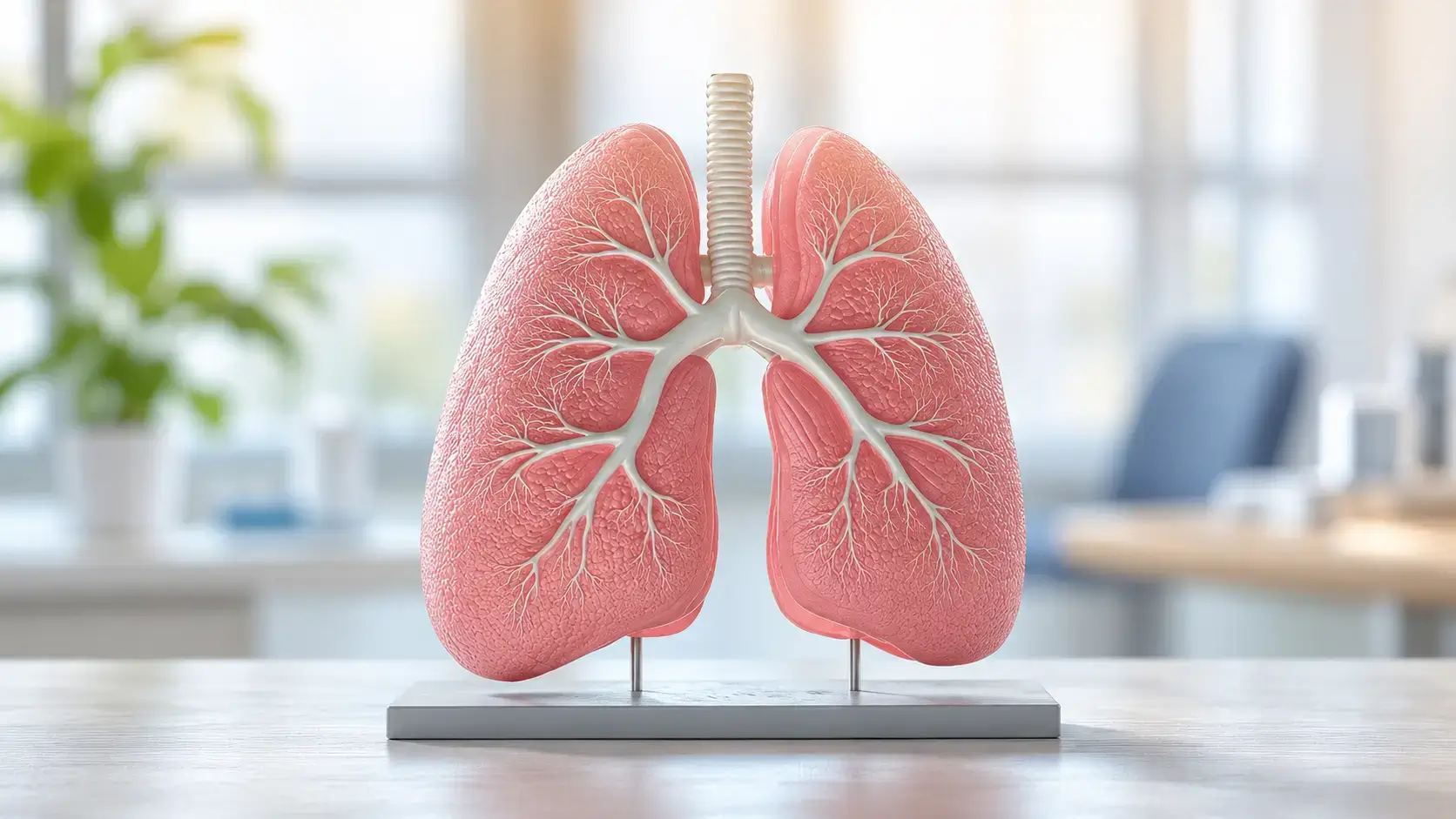
The respiratory system bears the burnt of smoking’s harmful effects. Smoking damages the lungs’ structure and function, leading to chronic and often irreversible conditions.
1. Chronic Obstructive Pulmonary Disease (COPD)
COPD is a group of progressive lung diseases, including emphysema and chronic bronchitis. Smoking is the leading cause of COPD due to:
Destruction of Alveoli
The tiny air sacs in the lungs that facilitate oxygen exchange are damaged, reducing lung capacity.
Chronic Inflammation
Persistent exposure to smoke causes inflammation, leading to mucus buildup and narrowed airways.
2. Increased Risk of Lung Infections
Smoking weakens the immune defenses in the lungs, making individuals more susceptible to respiratory infections like pneumonia and bronchitis.
3. Lung Cancer
The link between smoking and lung cancer is well-documented. Cigarette smoke contains carcinogens that damage DNA in lung cells, leading to mutations and uncontrolled cell growth.
4. Impaired Gas Exchange
Smoking damages the cilia, the tiny hair-like structures that clear mucus and debris from the airways. This impairs the lungs’ ability to function efficiently, trapping harmful substances in the respiratory system.
Combined Cardiopulmonary Effects
Smoking’s dual impact on the cardiovascular and respiratory systems compounds its dangers:
Reduced Exercise Capacity
Decreased lung function and poor oxygen transport impair physical performance.
Higher Risk of Combined Diseases
Smokers are at greater risk of simultaneous heart and lung diseases, such as pulmonary hypertension or heart failure.
The Reversibility of Smoking Damage
The good news is that quitting smoking can significantly improve cardiopulmonary health. The body begins to repair itself within minutes of smoking cessation:
20 Minutes After Quitting
Heart rate and blood pressure normalize.
12 Hours After Quitting
Carbon monoxide levels drop to normal, improving oxygen transport.
1 Year After Quitting
The risk of coronary heart disease drops by half compared to a smoker’s.
5-15 Years After Quitting
The risk of stroke and lung cancer significantly decreases.
Prevention and Smoking Cessation Strategies
Education and Awareness
Highlighting the dangers of smoking can discourage uptake and encourage cessation.
Nicotine Replacement Therapy (NRT)
Products like nicotine gum, patches, and lozenges can reduce withdrawal symptoms and cravings.
Behavioral Therapy
Counseling and support groups can help address the psychological aspects of addiction.
Medications
Prescription drugs like varenicline or bupropion can assist in managing withdrawal symptoms.
Healthy Lifestyle Changes
Regular exercise, a balanced diet, and stress management techniques can support cessation efforts.
Conclusion
Smoking’s impact on cardiopulmonary health is devastating, contributing to a host of life-threatening conditions in both the cardiovascular and respiratory systems. However, the human body has an incredible capacity to heal once smoking is stopped. By quitting smoking and seeking support, individuals can dramatically reduce their risks and improve their quality of life. At institutions like Rehoboth McKinley Christian Health Care Services, promoting smoking cessation and providing resources for healthier living are critical steps in fostering a healthier community.