
Sleep is not just a luxury but a necessity that directly impacts mental, physical, and behavioral health. For organizations like Rehoboth McKinley Christian Health Care Services (RMCHCS), prioritizing sleep health is critical to promoting overall well-being in the community. Behavioral health, encompassing mental and emotional well-being, relies heavily on sleep to regulate emotions, cognitive function, and overall mood.
Understanding the Connection Between Sleep and Behavioral Health
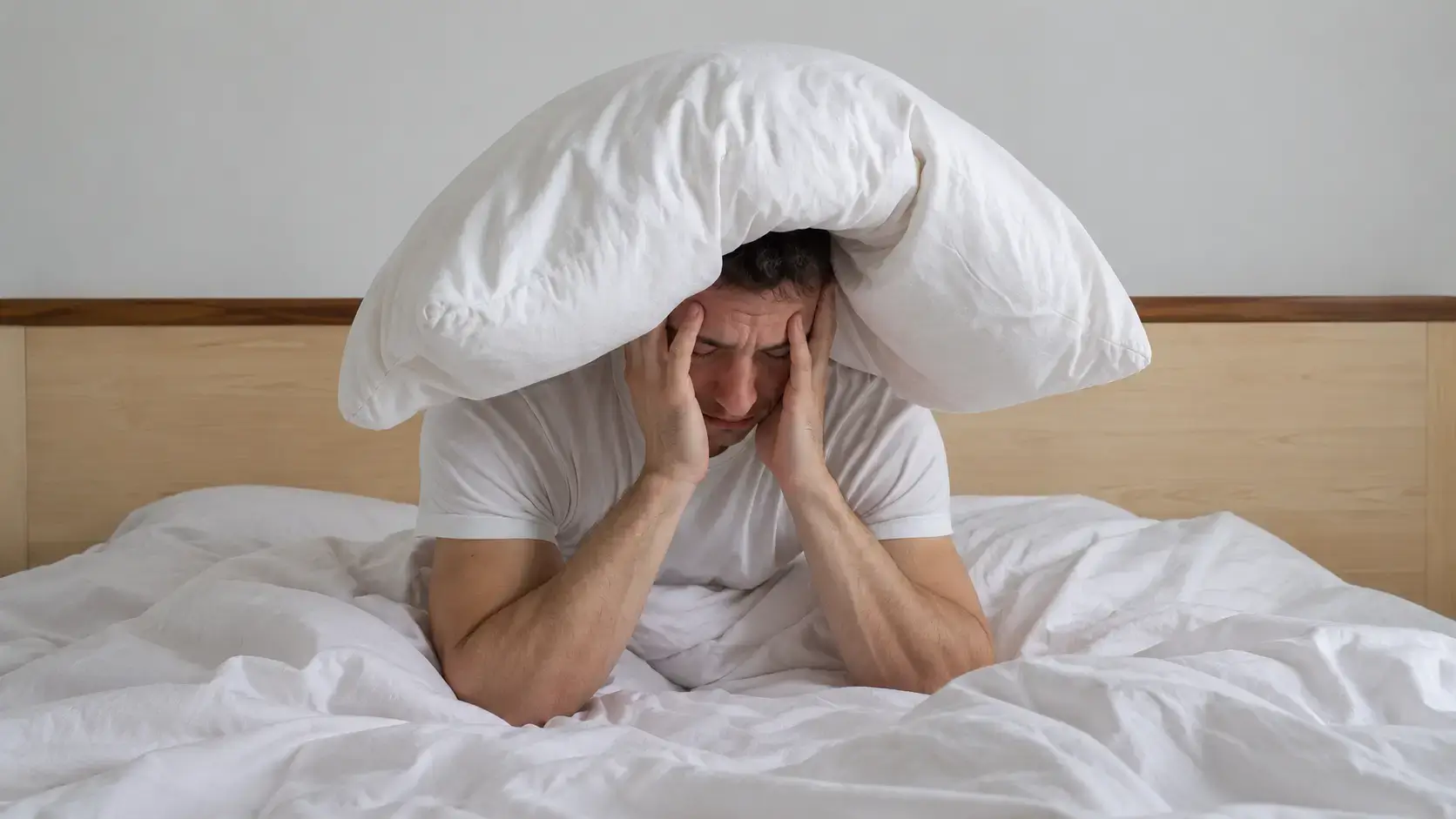
Sleep and behavioral health are deeply interconnected. When sleep is disrupted, the mind and body suffer. Behavioral health disorders such as anxiety, depression, and even substance use issues can be exacerbated by poor sleep habits or sleep disorders. Conversely, untreated behavioral health issues often lead to sleep disturbances, creating a vicious cycle that can be difficult to break without proper intervention.
How Poor Sleep Affects Behavioral Health
Emotional Regulation
Sleep is essential for managing emotions. A lack of rest can make individuals more prone to irritability, anger, and sadness. This is particularly concerning for those already battling mental health challenges.
Cognitive Impairment
Sleep deprivation affects memory, decision-making, and focus. For individuals with behavioral health disorders, these impairments can make it harder to manage symptoms effectively.
Increased Stress Levels
Sleep-deprived individuals produce more cortisol, the body’s primary stress hormone. High cortisol levels can worsen anxiety and depression symptoms.
Heightened Risk of Substance Abuse
Poor sleep can drive some individuals to seek temporary relief from substances such as alcohol or drugs, further complicating their behavioral health.

At RMCHCS, we help individuals build resilience through various therapeutic interventions, such as cognitive-behavioral therapy (CBT), mindfulness-based practices, and support groups. These approaches strengthen an individual’s mental and emotional fortitude, teaching them to manage adversity without resorting to drugs or alcohol.
Common Sleep Disorders Impacting Behavioral Health
At RMCHCS’s Sleep Disorder Center, patients are treated for a variety of conditions that can contribute to poor sleep and, in turn, affect behavioral health. Some of the most common sleep disorders include:
Insomnia
Difficulty falling or staying asleep is a hallmark of insomnia. It is often linked to anxiety and depression, as these conditions can create a heightened state of arousal that makes restful sleep elusive.
Sleep Apnea
Sleep apnea is characterized by repeated interruptions in breathing during sleep. These interruptions disrupt the sleep cycle, leading to fatigue and worsening mood disorders.
Restless Legs Syndrome (RLS)
The uncontrollable urge to move one’s legs, often accompanied by discomfort, can prevent individuals from achieving restorative sleep.
Circadian Rhythm Disorders
Disruptions to the body’s natural sleep-wake cycle, such as shift work or jet lag, can negatively impact behavioral health.
The Role of RMCHCS Sleep Disorder Center in Promoting Better Sleep
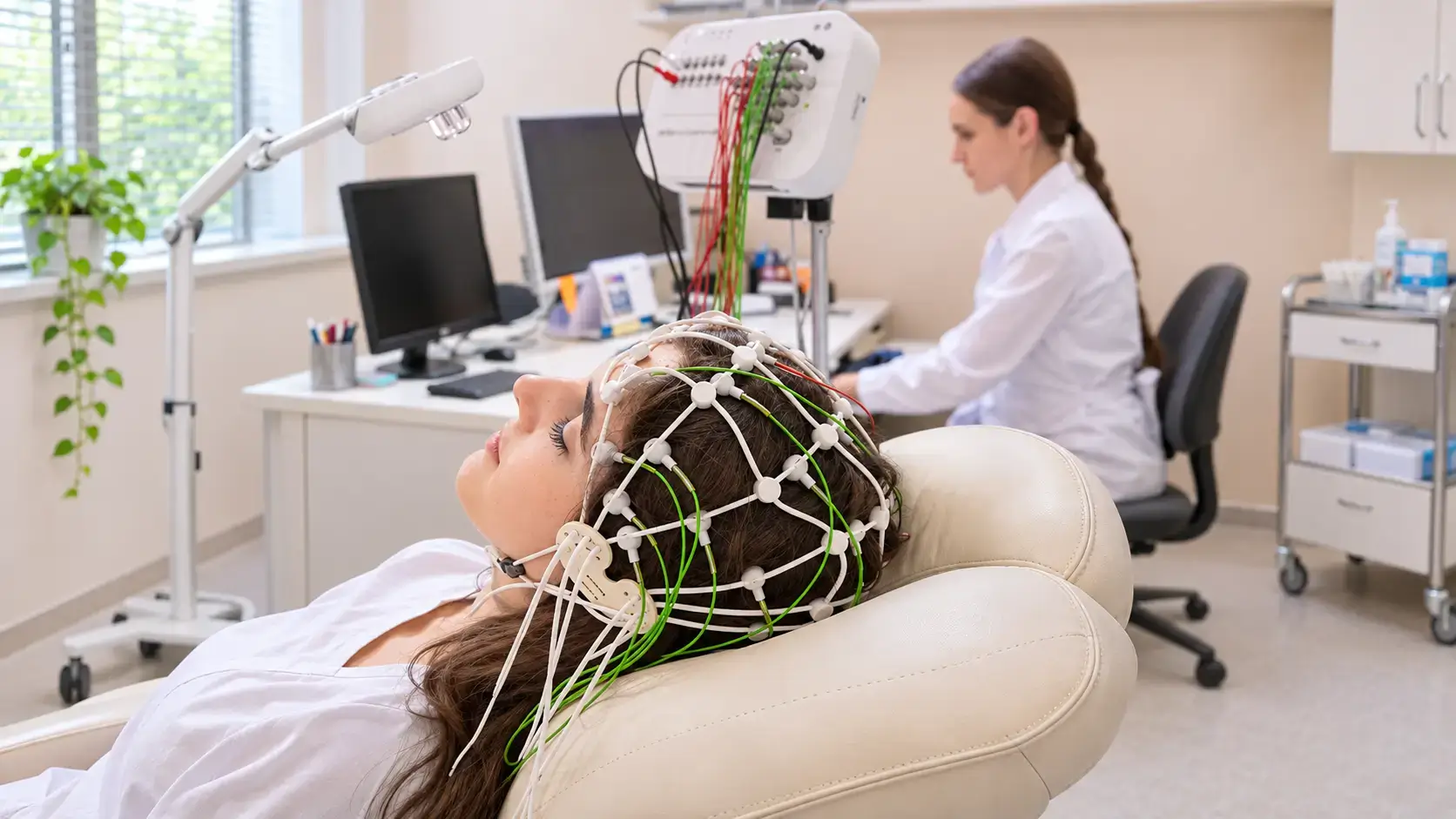
RMCHCS understands the critical link between sleep and behavioral health and offers comprehensive solutions for diagnosing and treating sleep disorders. The Sleep Disorder Center provides state-of-the-art diagnostic tools, including sleep studies, to evaluate patients’ sleep patterns and identify underlying issues.
Polysomnography (Sleep Study)
This overnight test measures physiological parameters such as brain activity, breathing, and oxygen levels to diagnose disorders like sleep apnea or restless legs syndrome.
Home Sleep Testing
Home testing kits are available for individuals who cannot stay overnight at the center, offering a convenient way to monitor sleep patterns.
Tailored Treatment Plans
Once a diagnosis is made, personalized treatment plans are developed. These can include CPAP therapy for sleep apnea, behavioral therapy for insomnia, or medications to manage conditions like RLS.
Strategies to Improve Sleep for Better Behavioral Health
Maintain a Consistent Sleep Schedule
Going to bed and waking up simultaneously daily helps regulate the body’s internal clock.
Create a Sleep-Friendly Environment
Ensure the bedroom is dark, quiet, and cool. Removing electronic devices can minimize distractions.
Practice Relaxation Techniques
Meditation, deep breathing, or gentle yoga can help reduce stress and prepare the mind for restful sleep.
Limit Stimulants
Avoid caffeine, nicotine, and heavy meals before bedtime, as these can interfere with the ability to fall asleep.
Seek Professional Help
For persistent sleep issues, consulting a sleep specialist is essential. RMCHCS’s Sleep Disorder Center is equipped to address these needs comprehensively.
Behavioral Health Benefits of Improved Sleep
Enhanced Mood
Quality sleep reduces the risk of mood swings and helps maintain a stable emotional state.
Better Stress Management
Adequate sleep enables individuals to cope with daily challenges more effectively.
Improved Relationships
Emotional stability and cognitive sharpness foster healthier interactions with loved ones and colleagues.
Reduced Risk of Chronic Illness
Addressing sleep issues can lower the risk of developing chronic conditions like heart disease and diabetes, which are often linked to stress and poor behavioral health.
RMCHCS: A Partner in Behavioral and Sleep Health
At Rehoboth McKinley Christian Health Care Services, the connection between sleep and behavioral health is a cornerstone of their approach to patient care. By addressing sleep disorders through the Sleep Disorder Center, RMCHCS empowers individuals to take control of their health, improving their sleep and mental and emotional well-being.
Sleep is a foundational pillar of health. If you or a loved one is struggling with sleep or behavioral health challenges, reach out to RMCHCS’s Sleep Disorder Center today. Together, let’s unlock the power of restorative sleep for a healthier, happier life.